Niko
Niko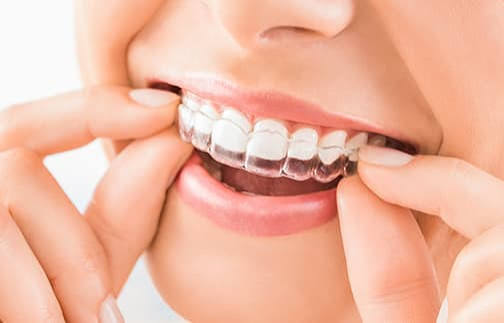
The moment when clear aligners are finally removed marks a significant milestone in any orthodontic journey. Months of diligent wear have transformed crooked teeth into a beautifully aligned smile, and the temptation to simply celebrate and move on is entirely understandable. However, the completion of active treatment represents not an ending, but rather a transition into an equally important phase: retention. Without proper retention protocols, even the most expertly executed invisalign Leeds treatment can gradually unravel, with teeth drifting back towards their original positions.
The biological reality is that teeth possess a remarkable memory. Following orthodontic movement, the surrounding bone, ligaments, and soft tissues require substantial time to stabilise and adapt to their new configuration. During this vulnerable period, teeth remain susceptible to relapse, a phenomenon that affects patients regardless of age, treatment complexity, or initial severity of misalignment. Retention protocols exist specifically to counteract these natural forces and preserve the investment of time, effort, and resources that patients have dedicated to achieving their ideal smile.
The Science Behind Orthodontic Relapse
Understanding why retention matters requires appreciation of the dynamic nature of dental structures. Teeth are not fixed rigidly in the jawbone but are instead suspended within the periodontal ligament, a network of fibres that allows for slight movement and adaptation throughout life. When orthodontic forces reposition teeth, these fibres stretch and reorganise, whilst the surrounding bone remodels to accommodate the new alignment. Research into post-orthodontic stability demonstrates that this remodelling process continues for many months after active treatment concludes.
The periodontal ligament contains elastic fibres that retain tension even after teeth have been moved, creating an inherent tendency to pull teeth back towards their original positions. Additionally, external factors such as tongue pressure, lip posture, and habitual grinding or clenching exert continuous forces on teeth throughout daily life. Without the counterbalancing influence of retention appliances, these combined pressures can gradually compromise treatment results, sometimes within mere weeks of aligner removal.
Types of Retention Appliances and Their Functions
Retention protocols typically involve one of several appliance types, each designed to maintain tooth position through different mechanisms. Fixed retainers consist of thin wires bonded to the inner surfaces of teeth, providing continuous passive retention without requiring patient compliance. These are particularly effective for lower anterior teeth, which demonstrate the highest tendency towards relapse. Removable retainers, conversely, offer versatility and ease of cleaning whilst requiring disciplined daily wear to achieve their protective function.
The Vivera retainer system, specifically designed for patients who have completed clear aligner treatment, represents a popular choice amongst orthodontic practitioners. These retainers utilise similar thermoplastic material to the aligners themselves, offering familiar comfort and aesthetics. According to clinical guidelines on retention protocols, the initial retention phase typically requires full-time wear, transitioning gradually to night-time-only maintenance as stability increases over subsequent months and years.
Establishing a Sustainable Long-Term Retention Strategy
The duration of retention remains a subject of ongoing discussion within orthodontic circles. Historically, practitioners prescribed finite retention periods, often lasting two to three years. Contemporary understanding, however, recognises that retention should be considered a lifelong commitment for patients seeking to preserve their orthodontic results indefinitely. Evidence-based retention strategies increasingly support extended or permanent retention protocols, particularly for patients with certain risk factors such as severe initial crowding or pre-existing periodontal concerns.
Successful retention requires partnership between practitioner and patient. Regular monitoring appointments allow orthodontic professionals to assess stability, identify early signs of relapse, and adjust retention protocols accordingly. Patients must maintain meticulous retainer hygiene, store appliances properly when not in use, and promptly report any damage or fit issues that could compromise retention effectiveness.
Protecting Your Investment Through Committed Retention
The transformation achieved through invisalign Leeds treatment represents a significant personal and financial investment. Retention protocols serve as the insurance policy that protects this investment, ensuring that the confidence and oral health benefits gained through orthodontic correction endure throughout life. By understanding the biological necessity of retention and committing to long-term compliance, patients can enjoy their beautifully aligned smiles for decades to come, making the discipline of retention a small price for such lasting rewards.